Which glasses suit me?
Find your perfect glasses shape at MANOOSH.DE
The search for the right glasses always begins with the right frame. But which glasses shape really suits your face?Whether narrow, oval, round, or square – the face shape plays a crucial role in selecting your new glasses. Our expert tips will help you quickly find the right frame and the ideal model. This makes your decision quite simple:
Which glasses suit a round face?
Round faces appear soft and harmonious, with fuller cheeks and a rounded chin. The right glasses can visually elongate the face and add more definition. Particularly well suited are:
• Angular glasses • Geometric glasses • Butterfly glasses
Tip: Go for angular or geometric frames – they tend to make a round face look longer and more defined.

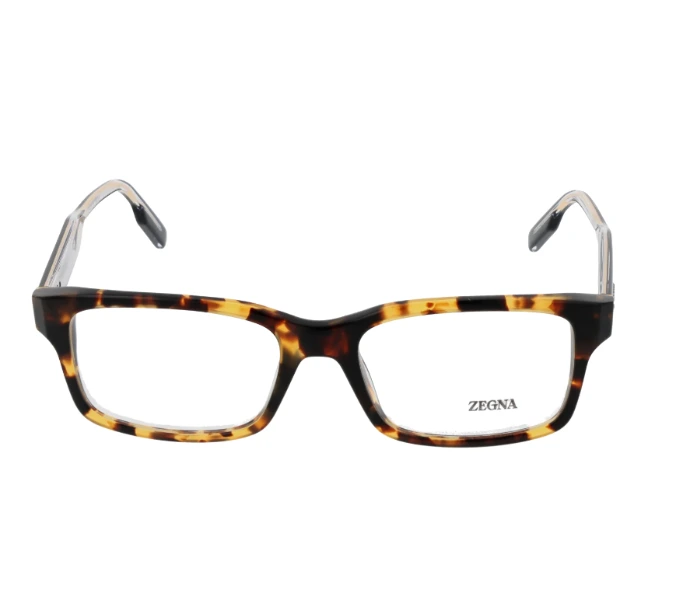
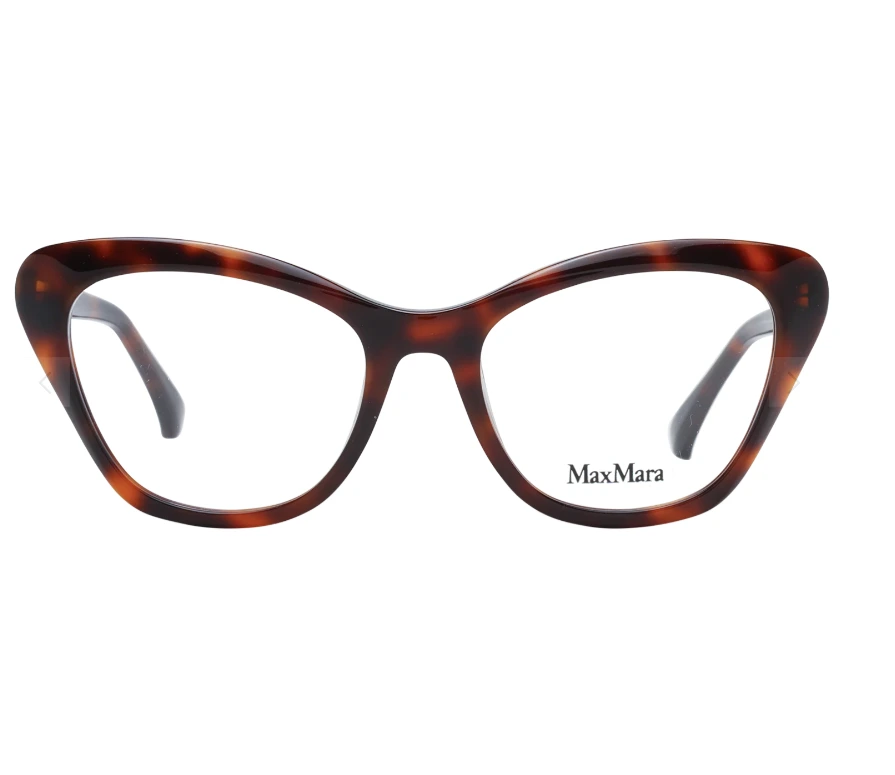
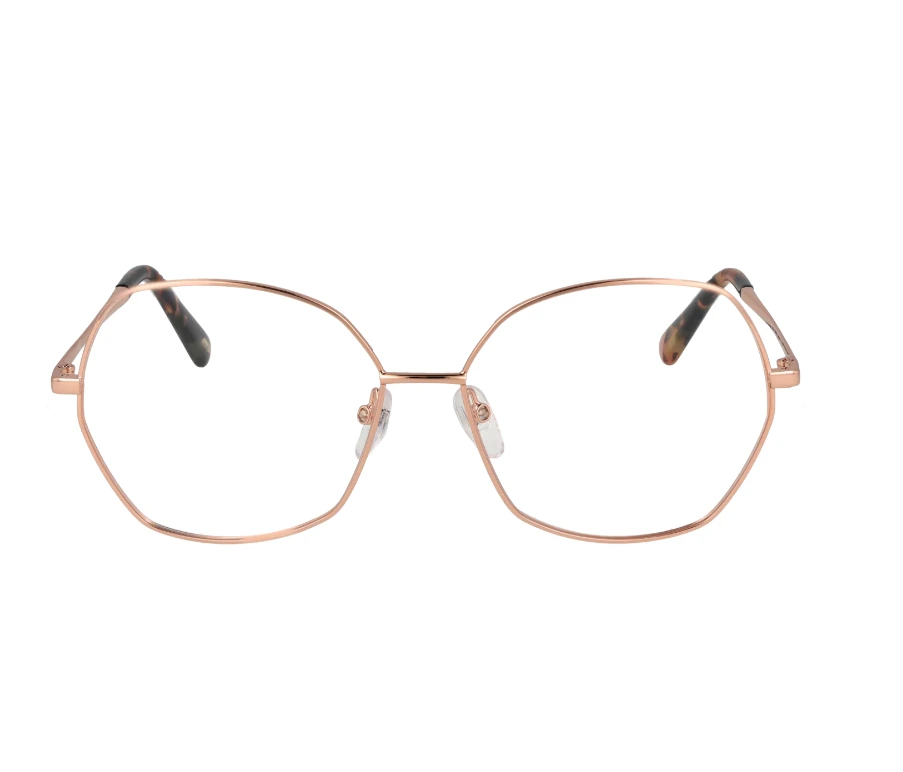
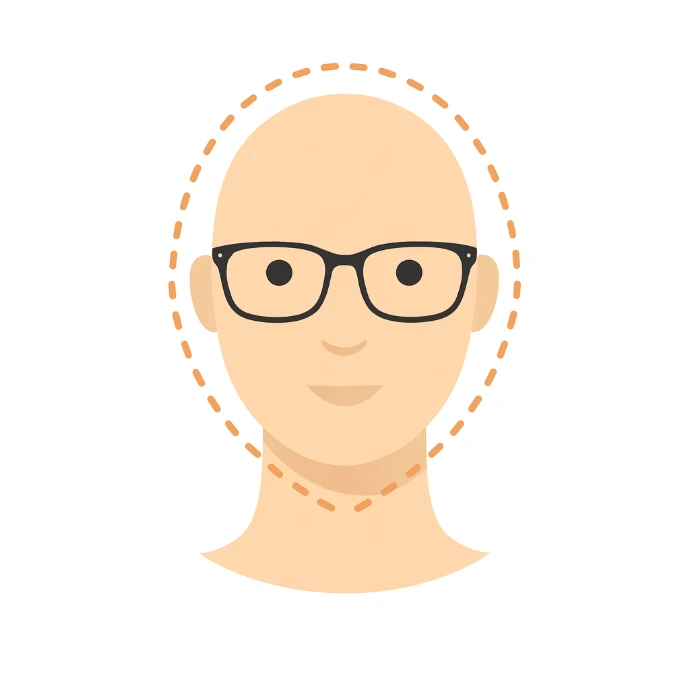
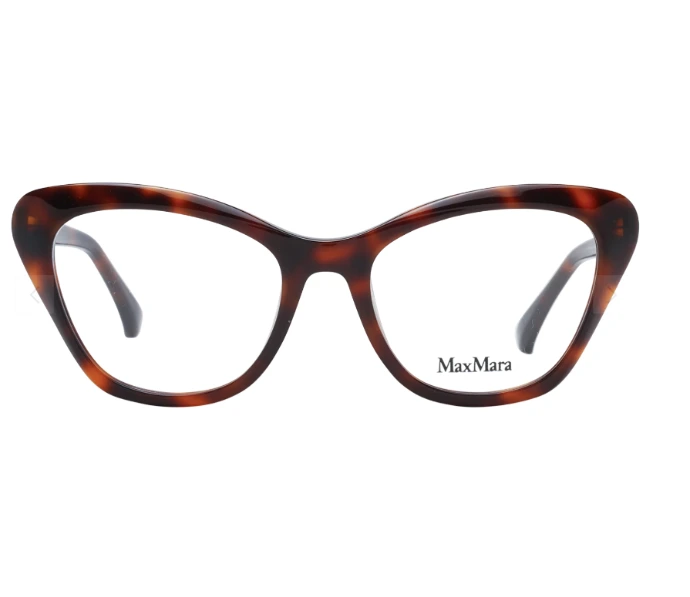
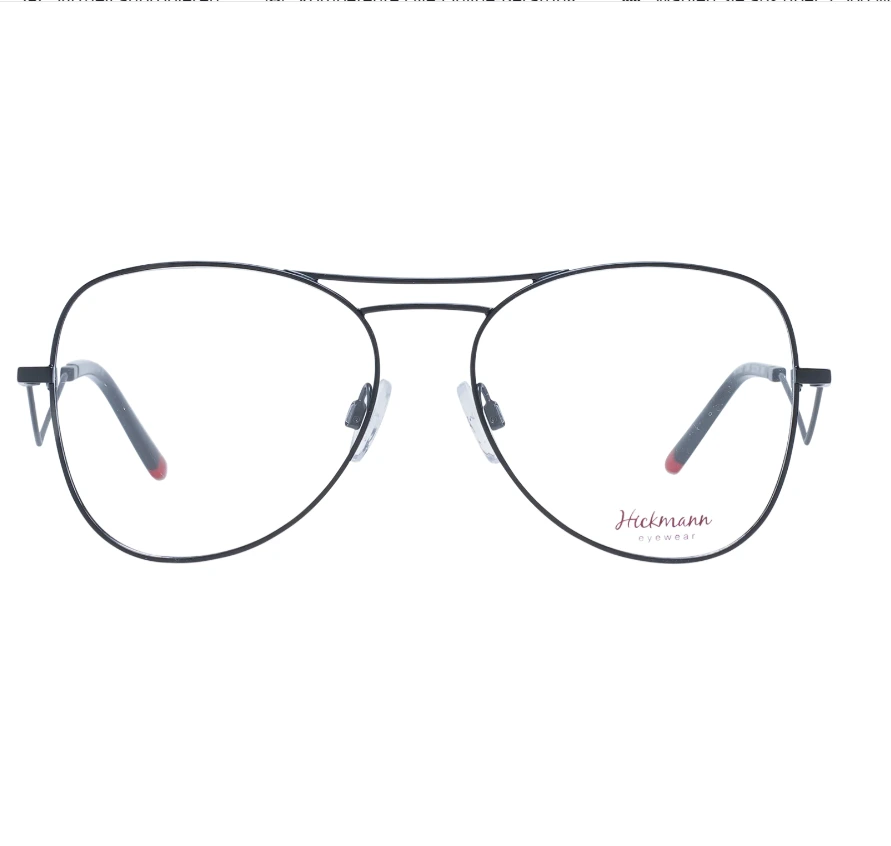
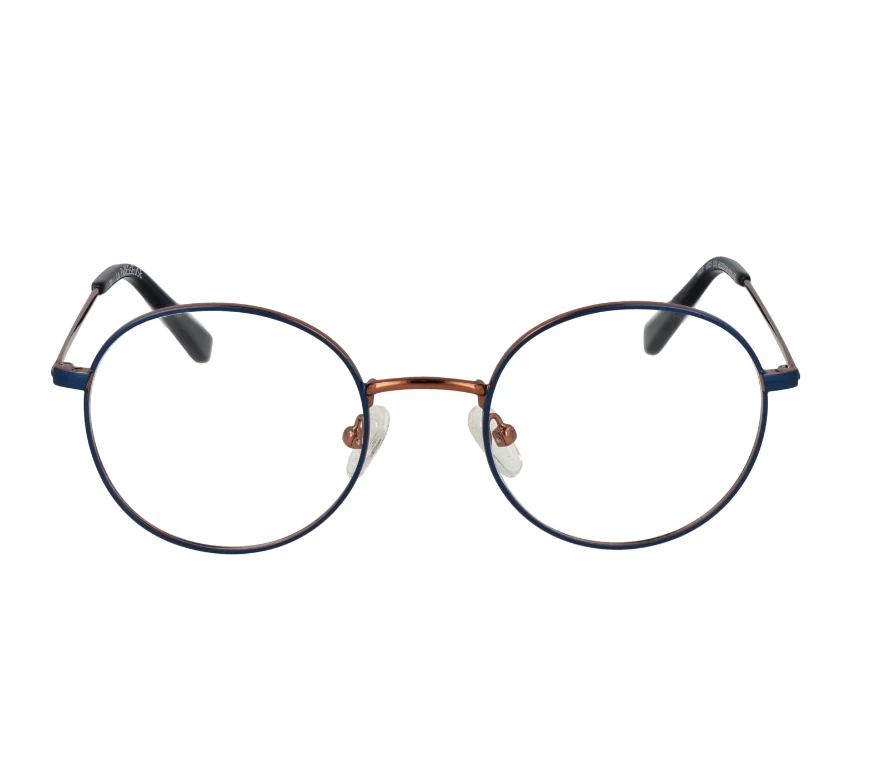
Which glasses suit an oval face?
The oval face is characterised by soft, even proportions. The widest point is around the cheekbones, while the forehead and chin are gently rounded.
Thanks to this natural balance, almost any frame shape works well. There is no need to visually correct any facial features – the choice is entirely down to personal taste, for example:
• Round glasses • Aviator glasses • Angular glasses • Butterfly glasses • Panto glasses
Tip: Make sure the glasses are not wider than the widest part of your face (usually the cheekbones) – very narrow or very small frames can make the face appear longer.
Which glasses suit a square face?
Rectangular faces belong to the group of square face shapes. Typical features include straight contours along the forehead, cheeks and chin. The hairline has clear angles, the chin is defined, and the face has slightly angular features – though overall it appears more balanced than strongly square.
The right glasses can create visual balance – shortening the face, adding width and softening the features. Particularly well suited are:
• Aviator glasses • Panto glasses
Tip: Go for round or oval shapes (e.g. panto frames) – they soften the angular look of a square face.
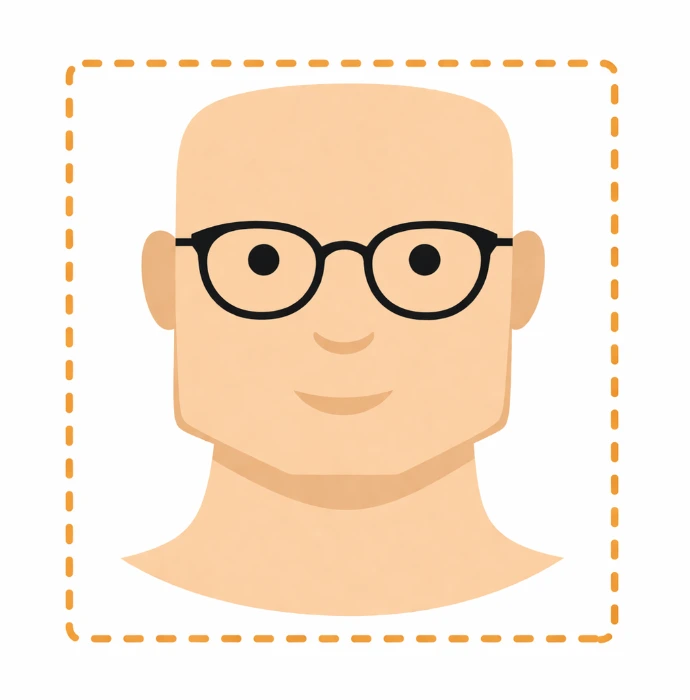
Which glasses suit a heart-shaped face?
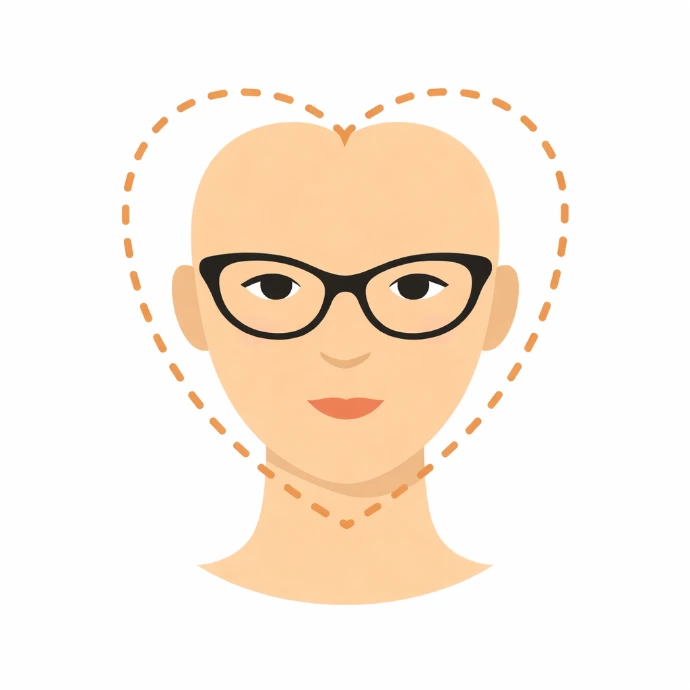
A heart-shaped face is wider at the top and narrows towards the chin. Typical features include a broad forehead, prominent cheekbones and a narrow, sometimes slightly pointed chin – like an upside-down triangle.
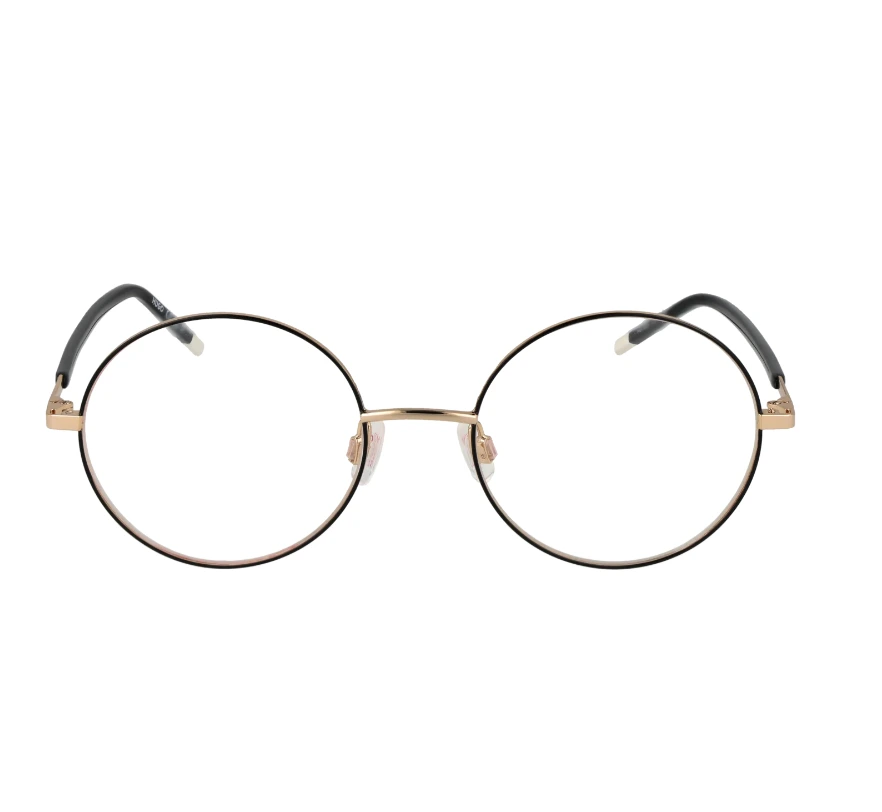
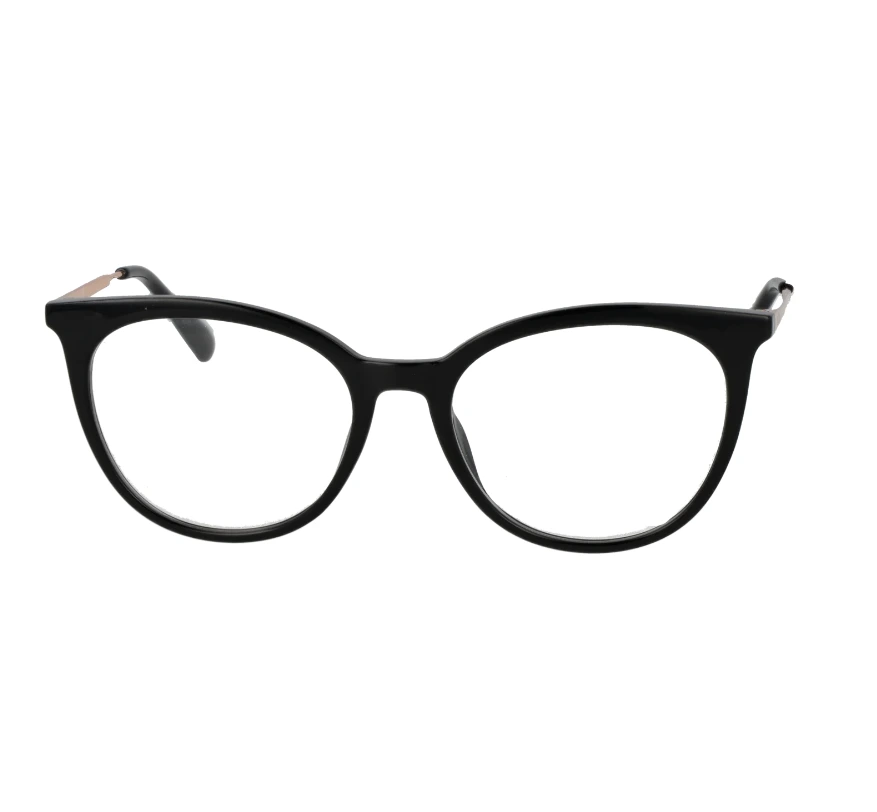
To bring more balance to the face, frames that don't feel too heavy at the top work best, for example:
• Round glasses • Panto glasses • Aviator glasses
Tip: Avoid very thick, top-heavy frames – lighter styles tend to look more harmonious, as the face is already wider at the top.
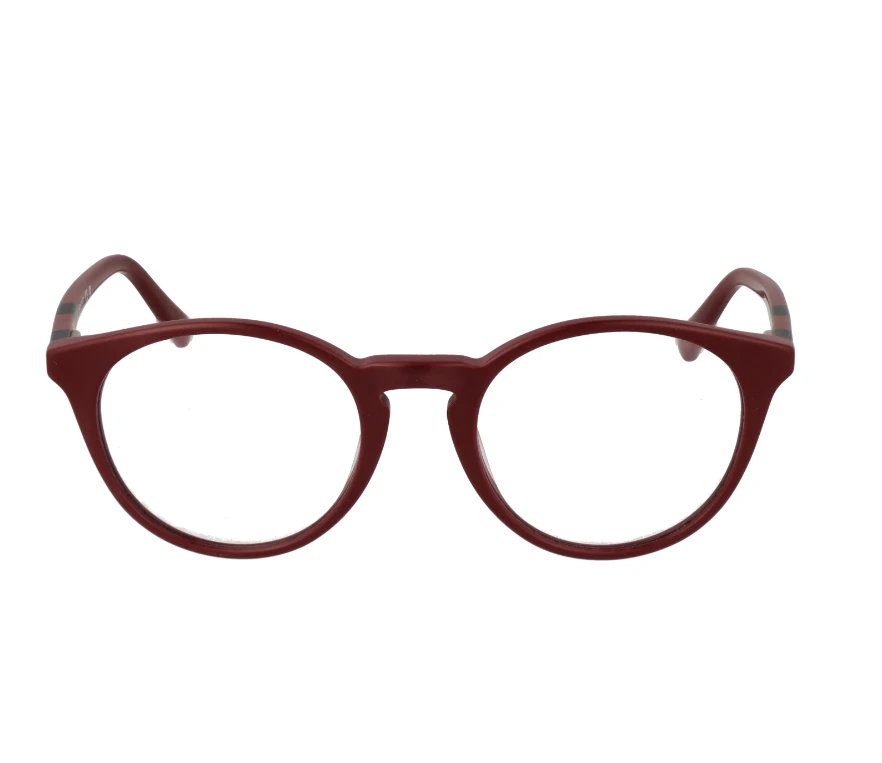
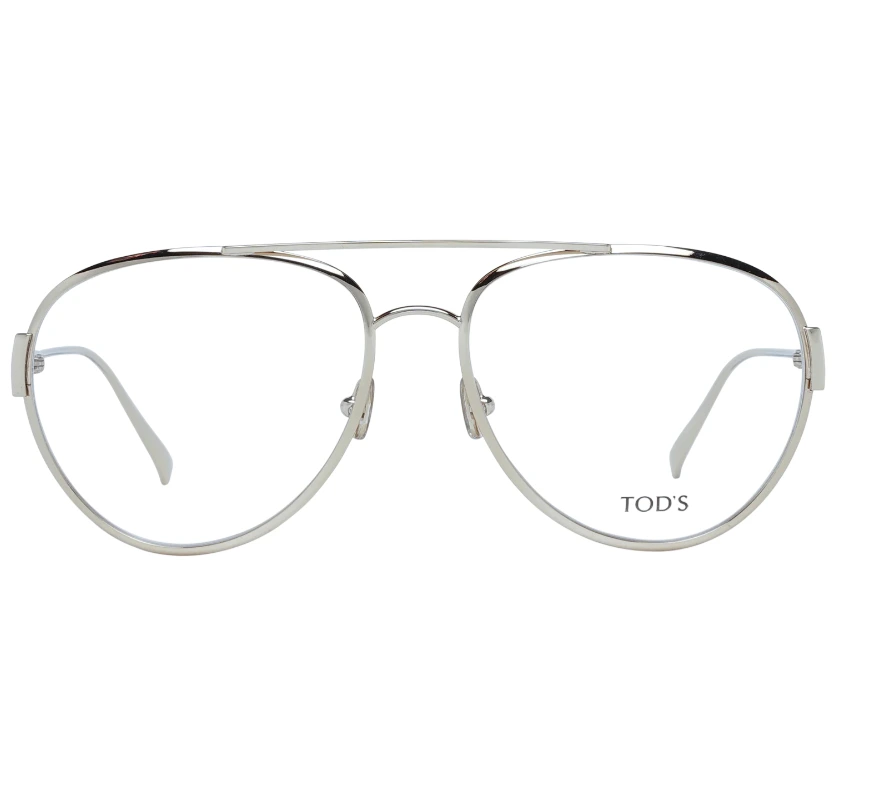
Which glasses suit a trapezoidal face?
A trapezoidal (triangular) face is narrower at the top and wider towards the bottom. Typical features include a narrow forehead and temples, while the jaw area is noticeably broader and more defined. The overall shape resembles a trapezoid, wide at the bottom.
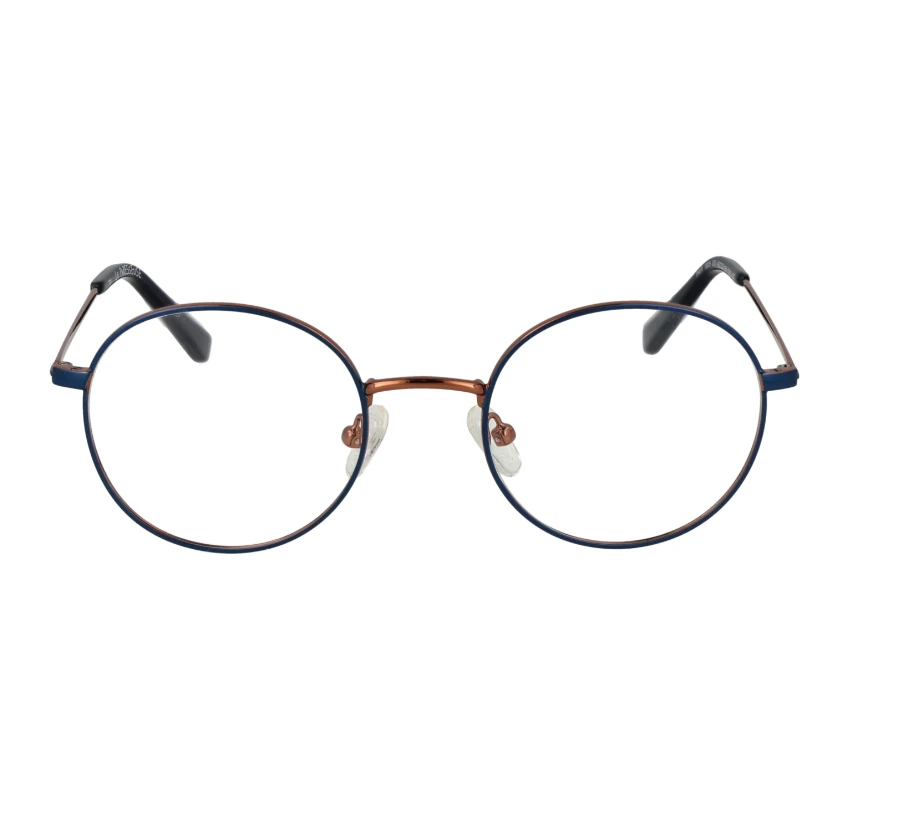
To bring more balance to the face, frames that draw attention to the upper part of the face work well, for example through a stronger top line or a bit more presence at the top. Good options include:
Angular glasses • Panto glasses • Butterfly glasses • Browline glasses
Tip: Go for frames with a prominent upper rim (e.g. browline). They draw the eye upwards and balance out the wider jaw area.

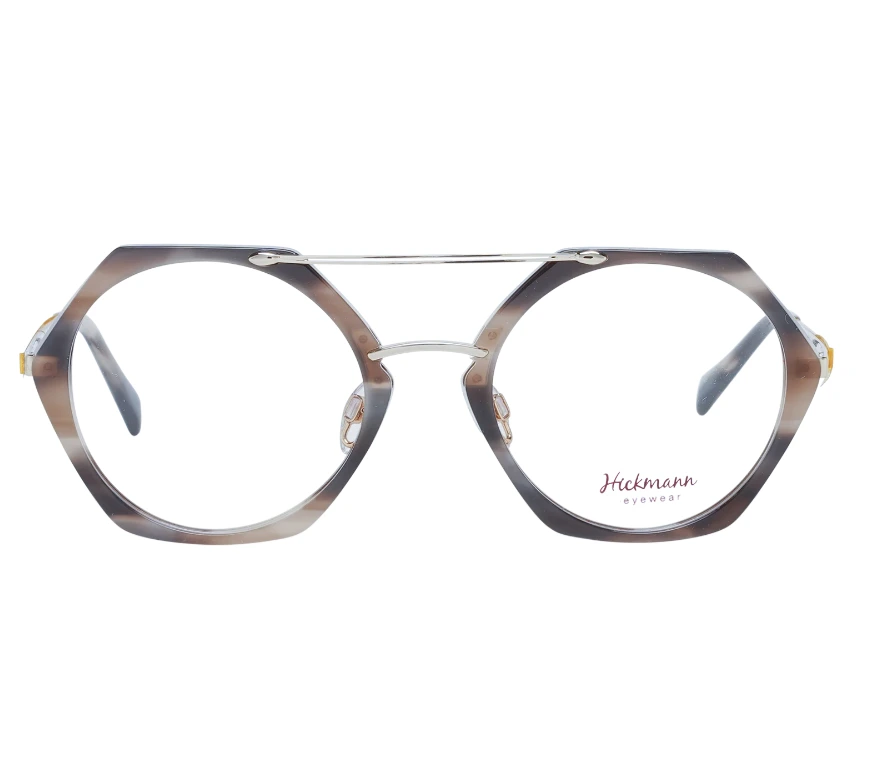
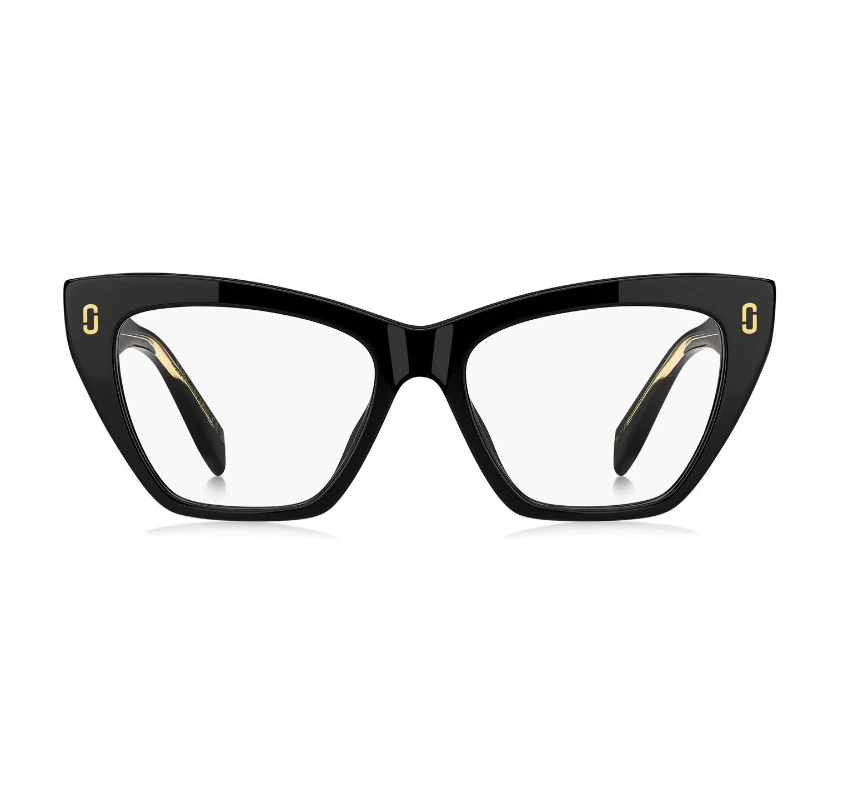
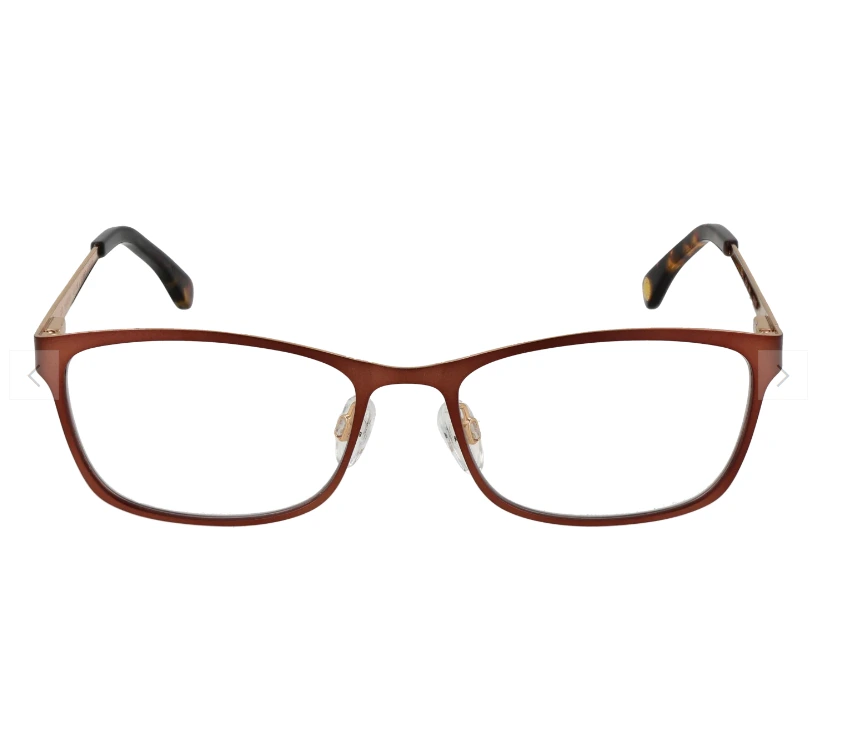
The right glasses shape is best chosen according to the contrast principle: round faces are wonderfully highlighted by angular frames, while angular facial features are harmoniously balanced by round or oval models. Test directly which frame suits you -Online tool for trying on glasses.
You can find an online tool for trying on glasses that fits your face shape at MANOOSH.DE. With our Virtual Try-On you turn on your camera and see immediately how the glasses look on your face –no appointment, no store. Note: The tool is currently under construction and will be fully available soon.
Here's how to find out what face shape you have:
Stand in front of a mirror and take a close look at your face. Pay attention to three areas: forehead, cheekbones, and jaw.
Oval face:
Your face is slightly longer than it is wide, your forehead and jaw are approximately the same width, and your chin is gently rounded.
Round face:
Your face is almost as wide as it is long. Cheeks, forehead, and chin are soft and round – no corners, no edges.
Square face:
Forehead, cheeks, and jaw are about the same width. Your chin is angular and your face has straight, clear lines.
Heart-shaped face:
Your forehead is the widest part. Your face narrows downwards and your chin comes to a point.
Trapezoidal face:
Your jaw is wider than your forehead. Your face narrows towards the top.
Tip:Tie your hair back so you can better see the shape.
Rimless glasses appear discreet and timeless. If you want to conceal wrinkles, it's better to opt for full-rim glasses with a striking frame.
Glasses with thick, striking frames conceal wrinkles best. Browline styles draw the eye upwards and make fine lines less noticeable.
Look on the inside of the temple of your current glasses. There you will find three numbers – for example: 52 □ 18 145.
52= lens width in mm (how wide a single lens is)
18= bridge width in mm (the distance between the two lenses on the nose)
145= temple length in mm (from the hinge to the end behind the ear)
Don't have glasses yet? Measure your face width from temple to temple with a ruler. The total width of the glasses frame should match this measurement.
👉 In our step-by-step guide we will show you exactly how to measure your glasses size correctly.
Try on glasses online - The Virtual Try-On from MANOOSH
Discover your new glasses with our digital try-on tool: Quickly, easily, and for free, test different frames directly on your own face. No appointment, no visit to the store – you decide which glasses suit you.
